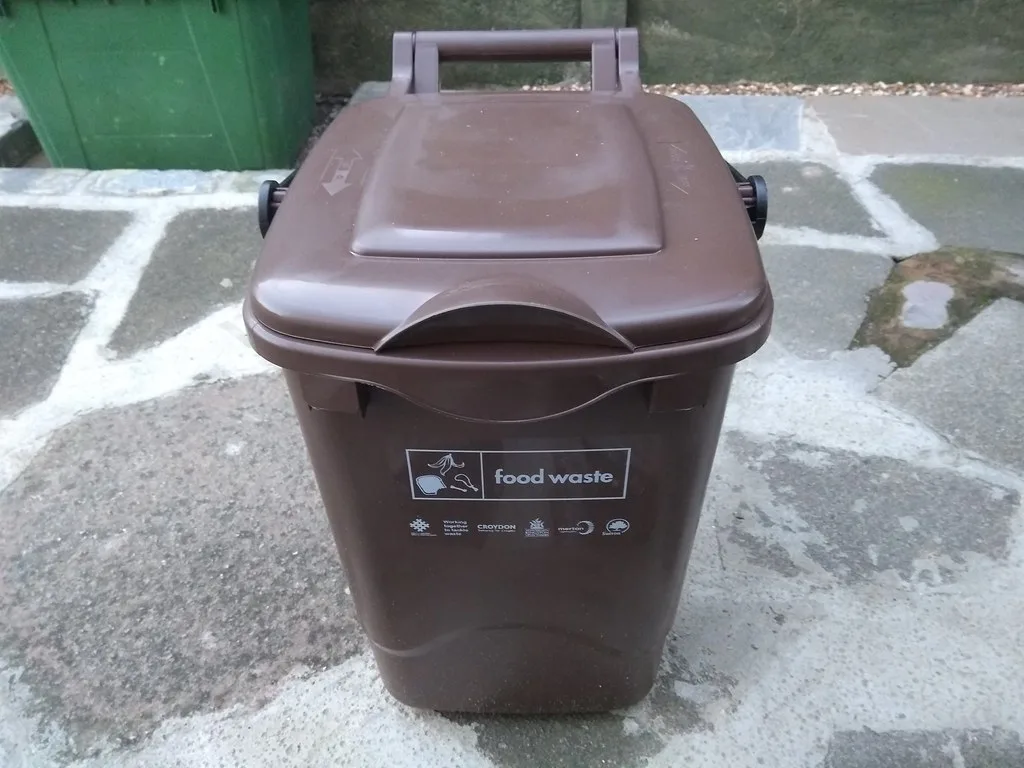

Dartford houses get food waste caddies this autumn and weekly collections from November 2026. Flats follow in early 2027. What goes in, and what it costs.
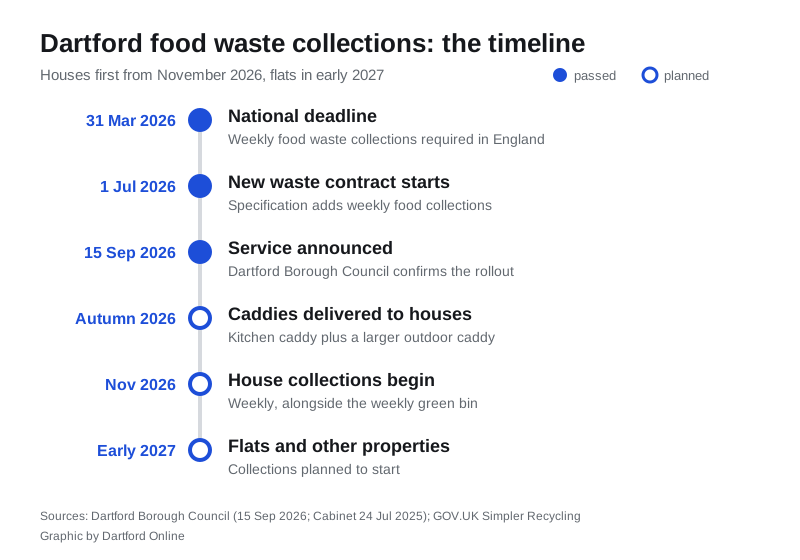
Dartford is getting a separate weekly food waste collection. Houses will have caddies delivered this autumn, and the first collections start in November 2026. Flats and other eligible properties follow in early 2027.
Dartford Borough Council announced the service on 15 September (Dartford Borough Council). Until now, food waste in Dartford has gone in the green general rubbish bin.
What you will get and when
Each household taking part gets two containers:
- a small kitchen caddy for collecting scraps indoors
- a larger outdoor caddy to put out on collection day
The rollout comes in two phases:
| Who | Caddies arrive | Collections start |
|---|---|---|
| Houses across the borough | Autumn 2026 | November 2026 |
| Flats and other eligible properties | Not yet announced | Early 2027 |
The council has not yet published delivery dates by street, or which day your caddy will be emptied. It says delivery schedules and fuller guidance will be shared “in the coming months”.
What can go in the caddy
The council lists these as accepted:
- fruit and vegetable peelings
- meat, fish and bones
- dairy products
- bread, rice and pasta
- plate scrapings and leftovers
You do not have to use liners. Government guidance for England says there is no requirement for councils to provide caddy liners or for households to use them (GOV.UK). Dartford has not yet said whether it will accept liners, or which kind.
Your green bin stays weekly
In 2023 the council said it was one of only two in Kent still emptying general rubbish every week. That does not change. The waste contract the council approved in July 2025 runs from 1 July 2026 to 30 June 2034. Its specification keeps weekly refuse collection from green bins and fortnightly recycling from grey bins, and adds the new weekly food service (Cabinet report, 24 July 2025).
Residents asked for both. In the council’s 2023 Big Bin Vote, nearly 6,000 households responded. More than two thirds wanted to keep weekly collections, and well over half said they would probably use a food caddy if one was offered (Dartford Borough Council, October 2023).
Why now: the national deadline has passed
The law now requires it. Under the government’s Simpler Recycling rules, councils in England must collect food waste weekly from all households, free of charge, from 31 March 2026 (GOV.UK).
Some councils were given later dates because of long-running disposal contracts. The 2024 regulations list 31 of them, from Blackburn with Darwen (June 2026) to York and North Yorkshire (February 2043). Dartford is not on that list, and neither is any other Kent council (Environment Act 2021 (Commencement No. 9 and Transitional Provisions) Regulations 2024, Schedule).
That puts Dartford’s November start about seven months after the national date for houses. Flats wait until early 2027. The council’s announcement does not mention the deadline.
The money
The council makes two money claims in its announcement:
- it expects to divert at least 5,000 tonnes of food waste from general rubbish every year
- using Kent County Council’s estimate that anaerobic digestion saves around £130 a tonne compared with incineration, it puts the saving at around £650,000 a year
The same service costs money to run. When the contract was tendered, the cabinet report found additional annual costs of around £1.37 million for the food waste collections. The council’s financial plan had pencilled in £750,000.
Those figures are not directly comparable. The £650,000 is a saving on disposing of the waste; the £1.37 million is the cost of collecting it. The report also notes that government “new burdens” funding covers the capital side, including caddies and some vehicle costs.
The council says around 30 per cent of the average household bin is food waste. Collected food goes to an anaerobic digestion plant, where bacteria break it down into biogas for energy, and the remainder becomes farm fertiliser.
Council Leader Jeremy Kite called it “one of the most significant improvements to our recycling service in many years”.
What it means for you
- Nothing changes yet. Until your caddies arrive and collections begin, food waste still goes in the green bin. Our Dartford bin collection days page has the current rules.
- Houses: watch for a caddy delivery this autumn. Collections start in November.
- Flats: expect the service in early 2027. Communal arrangements have not been published.
- Your collection day for food waste has not been announced. We will update this story when the council publishes delivery schedules.
Sources
- Dartford Borough Council: New weekly food waste collection service (published 15 September 2026: phases, caddies, accepted items, 5,000 tonnes, £130 a tonne, £650,000, quotes)
- Dartford Borough Council Cabinet, 24 July 2025: Contract for Waste Collection and Street Cleaning 2026 to 2034 (contract term, service specification, £1.37 million, £750,000, new burdens funding)
- Dartford Borough Council: Big Bin Vote results, 6 October 2023
- GOV.UK: Simpler recycling, household recycling in England (31 March 2026 duty, liners)
- legislation.gov.uk: SI 2024/639, Schedule (councils given later food waste dates)
Have your say