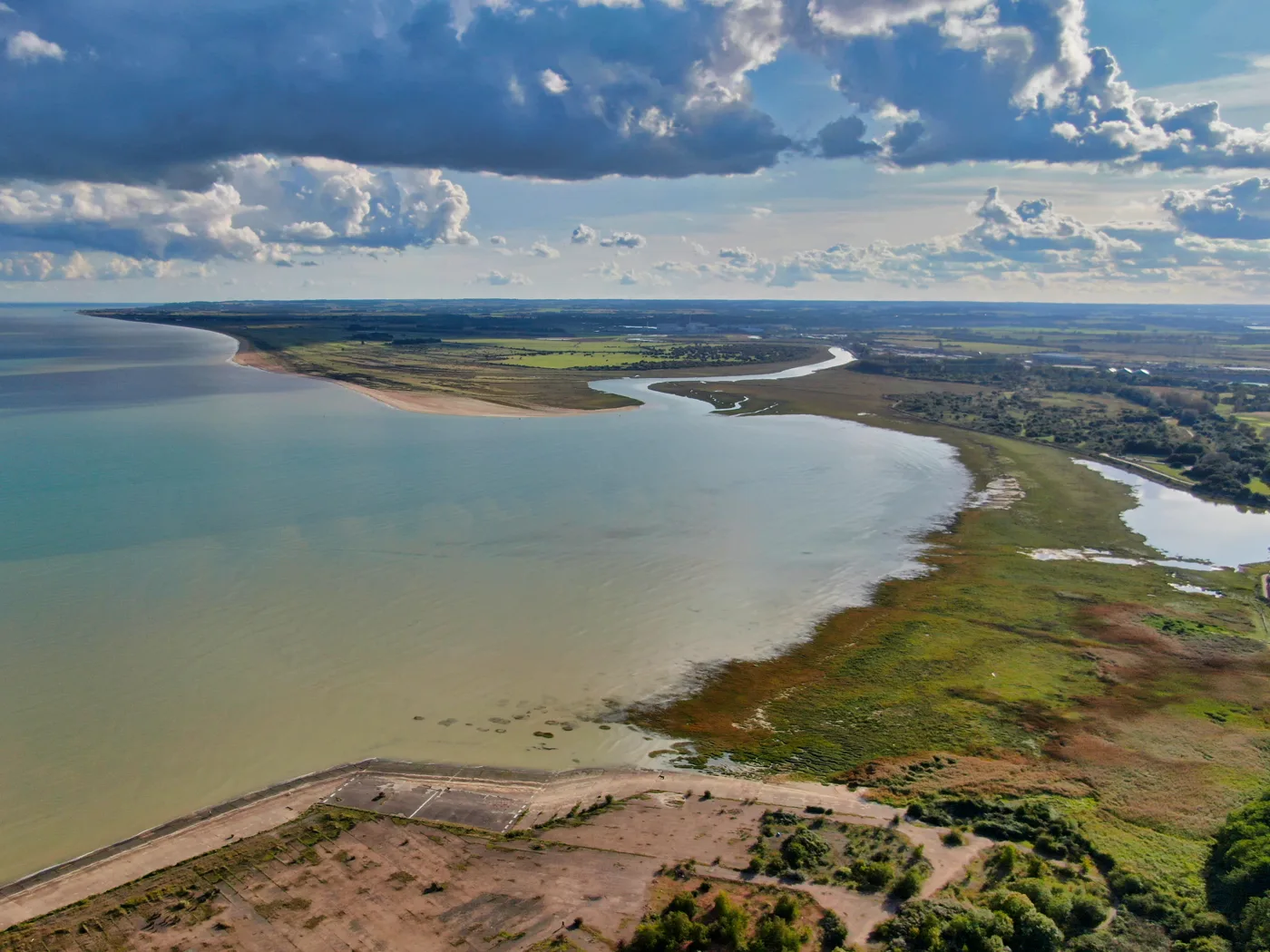

Kent Wildlife Trust says it is exploring a judicial review of Sea Link's consent at Pegwell Bay, and lists the safeguards it won. Updated November 2026.
Kent Wildlife Trust says it is looking at whether there are grounds for a judicial review of National Grid’s Sea Link project, after the Secretary of State granted it development consent on 30 October 2026.
The power link comes ashore at Pegwell Bay, on the east Kent coast, about 60 miles from Dartford. The trust has campaigned against the landfall there for four years.
It is the county’s leading conservation charity, with more than 31,000 members, and its campaigns reach this end of Kent too. It has fought development on the Swanscombe Peninsula, which Natural England has notified as a Site of Special Scientific Interest.
Why the trust is still objecting
The Secretary of State accepted the Examining Authority’s recommendation. Its view was that the strategic need for the electricity infrastructure outweighed the environmental harm it had identified.
The decision concluded that the project would not harm the integrity of protected sites. The trust points out that this conclusion depends on mitigation being delivered properly. “Consent does not mean there will be no harm to wildlife or habitats,” it said.
Its main worry is timing. The trust says consent has been granted before important ecological surveys were finished, and before key mitigation measures were fully designed or agreed.
Emma Waller, Senior Planning and Policy Officer at Kent Wildlife Trust, said:
“While this is an incredibly disappointing outcome, I am proud of what we have achieved through four years of challenging these proposals. We have secured important changes and safeguards and ensured that the environmental risks to this internationally important landscape could not be ignored. But we have also seen first-hand the lasting damage that can result when environmental impacts are underestimated and promises of restoration fall short. The damage left behind by Nemo Link must not be repeated, and we will not allow the lessons from that project to be ignored.”
On a legal challenge, she said:
“We are also carefully exploring all available options following the decision, including whether there may be grounds for a judicial review. This is being considered thoroughly with the campaign groups, and no options are being ruled out at this stage. We remain committed to challenging the decision wherever there are legitimate grounds to do so and will provide further updates as our position develops.”
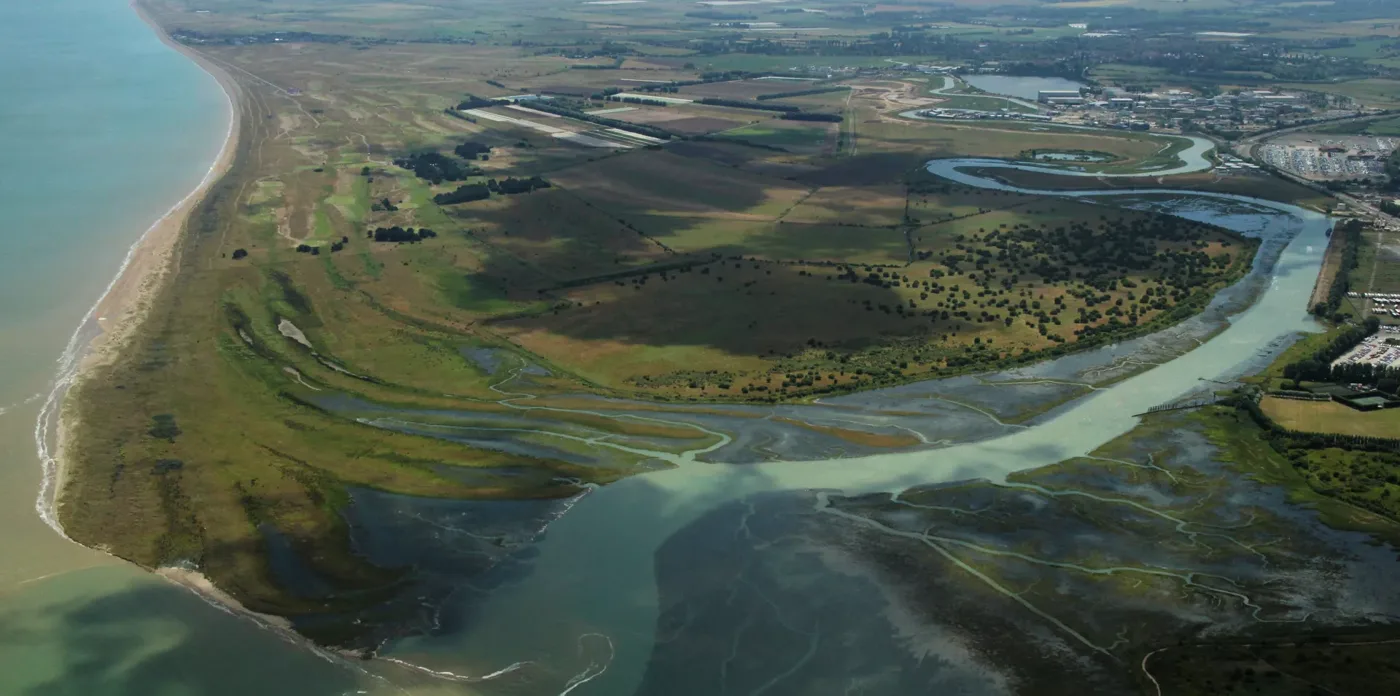
What the trust says it won
The trust lists these safeguards in the consent:
- No open trench across the saltmarsh. National Grid cannot go back to open-cut trenching at Pegwell Bay. Only horizontal directional drilling or Direct Pipe is allowed at the landfall. The trust calls this significant because of the lasting damage left by the earlier Nemo Link works.
- A say in the design. The trust will be consulted on the landfall’s detailed design, including access routes and the saltmarsh surveys before construction.
- A new route at sea. The route was redesigned to avoid the Goodwin Sands Marine Conservation Zone. The trust also pressed for more study of the effect on marine mammals.
- The Hoverport limited to emergencies. It is no longer a construction compound. The trust must be told within 24 hours of any emergency use.
- Birds. Some noisy work is limited by season, new overhead lines get bird diverters, and birds will be monitored.
- Other wildlife. More surveys and mitigation are needed for beavers, water voles and hazel dormice.
- Noise. Complaints about operational noise must be investigated, with action if monitoring shows permitted levels are exceeded.
What still worries it
The trust names three concerns. Wintering birds will lose habitat. It doubts the proposed compensation site for golden plover is suitable. And bird collision monitoring has been secured for only two years, where it asked for at least five.
The Secretary of State also did not accept National Grid’s Biodiversity Net Gain plans as a detailed or enforceable benefit. National Grid’s promise of 10% net gain is voluntary, not a legal requirement for Sea Link.
From here, the trust says it will scrutinise the detailed design and surveys, challenge weak mitigation, press for long-term bird monitoring and check that National Grid keeps its commitments.
Ms Waller said:
“Whatever happens next, our work is far from over. We will scrutinise every stage of Sea Link’s delivery, challenge inadequate protections and hold both National Grid and the relevant regulators to account. Environmental commitments must be more than promises on paper, and where damage occurs, it must not be overlooked or brushed aside. We may not have secured the decision we wanted, but we are determined to use every opportunity available to protect this special place and ensure that the mistakes of the past are not repeated.”
Campaigners on the marshes
Save Minster Marshes fought the project alongside the trust. A spokesperson for the group said:
“After more than four years of fighting against National Grid’s Sea Link project, Save Minster Marshes is devastated that it has been approved by the Secretary of State. The project has been criticised on the strongest environmental, economic and social grounds by over 6,000 respondents, including the Campaign to Protect Rural England, Kent Wildlife Trust, Natural England and the RSPB but it’s still been given the go ahead.
“Save Minster Marshes are now working together with Kent Wildlife Trust, SEAS (our counterparts in Suffolk) and our legal teams to review the Secretary of State’s Sea Link decision. We are hugely grateful for the support and encouragement from our members and the wider community. We have the resolve and are determined to hold National Grid to account.”
The trust also thanked the RSPB, CPRE Kent and Suffolk Energy Action Solutions.
What it means for you
The works named in the trust’s statement are at Pegwell Bay and Sandwich, on the far side of the county. A judicial review would decide whether the consent stands. The trust says it will give updates as its position develops. Its campaign page is at kwtg.uk/sea-link, and the full statement is on the Kent Wildlife Trust website.
Have your say